Revoada Festival
The main reason since the creation is also what underlies, to this day, the Revoada Festival: the formation of audiences in the city of Maceió and in the state of Alagoas. As we witness an exponential growth in the number of films, production companies and audiovisual workers in the state, the public is still an issue. As much as there are significant audiences for large blockbusters, a sensitive mediation between the Maceio audience and independent productions still remains in the early stage of construction. The projects that are carried out usually suffer from the discontinuity of state public policies for their realization.
The festival strengthened its commitment to the formation of the public and the construction of new affections for the city. The curatorship sought to select works that presented the diversity of the Brazilian territory, with special attention to films made by women, black filmmakers, indigenous, LGBTQIAP+ and from peripheral contexts.
Knowing the brevity that affects contemporary Brazilian cinema, limited to a maximum of two or three years of circulation in festivals, despite the movement with more and more shows in recent years, Maceió still loses much of what is produced and gains relevance outside of here. Parallel to our greater goal of forming audiences, there is also the need to put our city and state on the route of contemporary cinema.
Since our last edition, the 3º REVOADA - Maceió International Film Festival, we have taken a new step. Now the proposal is to bring not only the best of Brazilian cinema but also of the world.
I Revoada: Film festival on the outskirts of Maceió
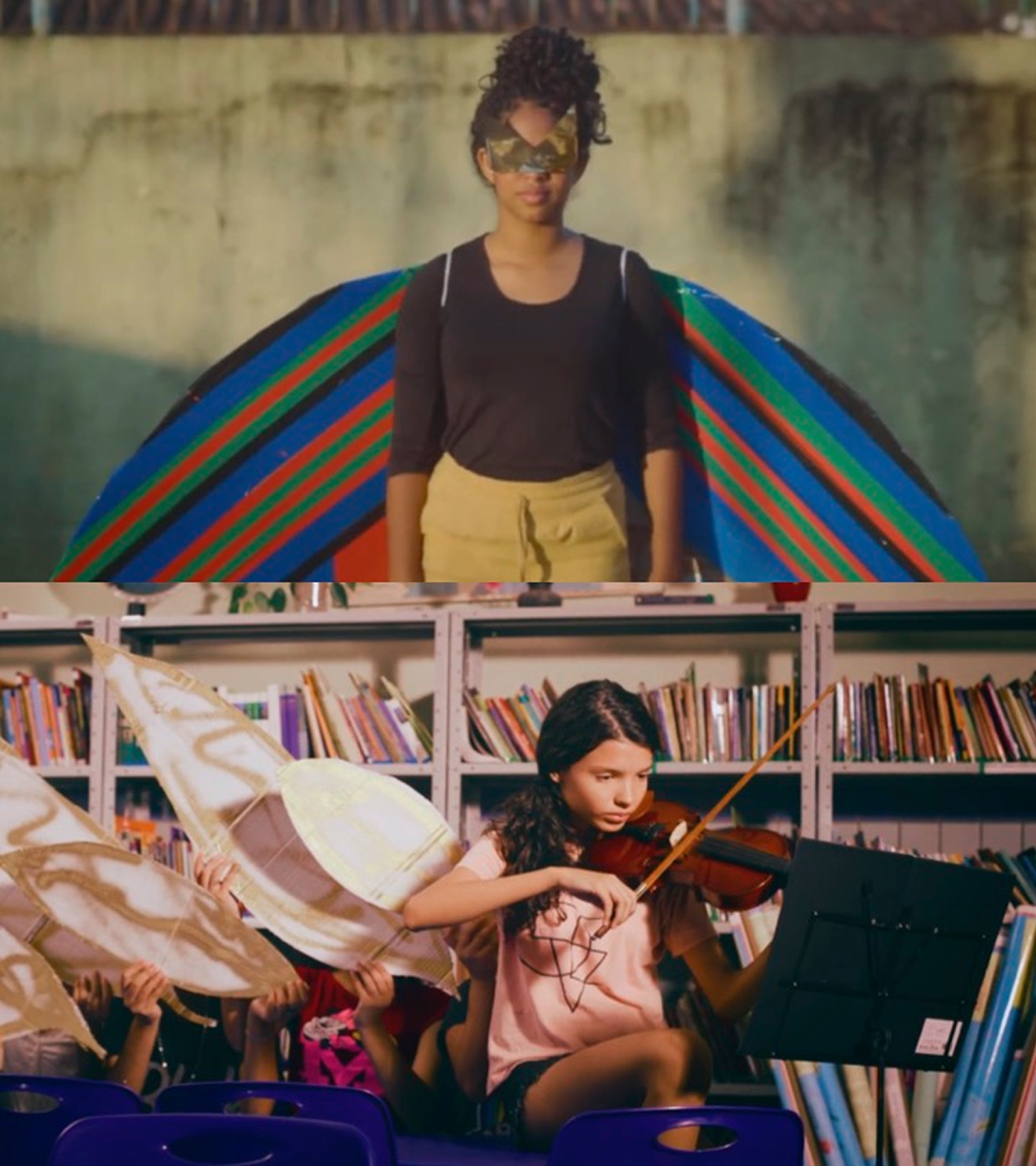
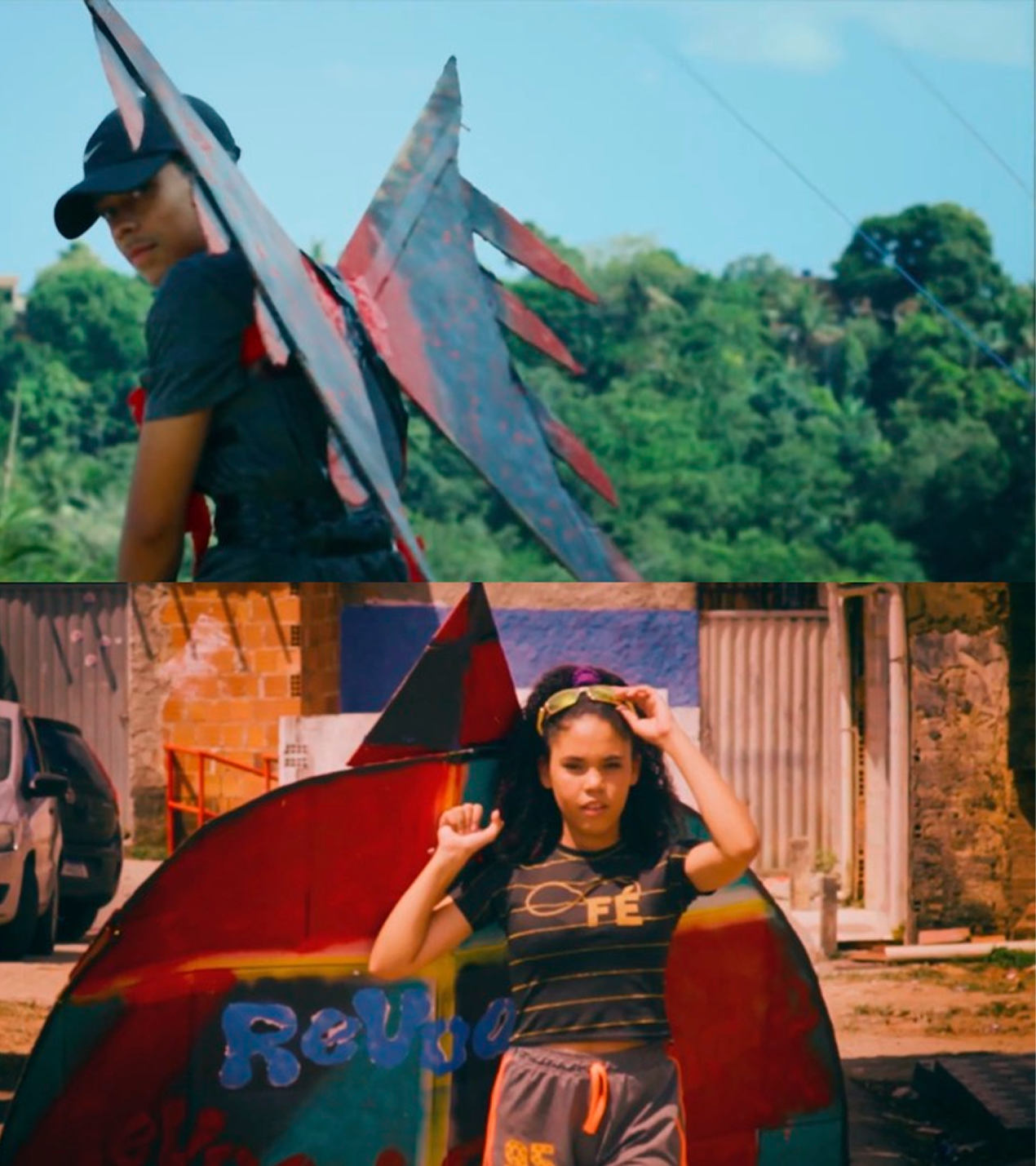
The inaugural edition was conceived to take place outdoors, occupying peripheral urban spaces. Free of charge, its programming was curated to be accessible to the whole family. Since cultural spaces in the city of Maceió are predominantly located in upper-class neighborhoods, Festival Revoada was born out of a desire to shift this dynamic: anyone wanting to experience the very best of contemporary Brazilian film production would have to make the reverse journey and head to the outskirts. More specifically, to Benedito Bentes—Maceió’s largest peripheral neighborhood.
"A flight through and beyond films, driven by an immense urge to expand horizons and conquer new territory: the outskirts of the city of Maceió."
This was how the 1st Revoada Film Festival announced itself upon landing in "Biu," as we Maceió locals fondly call it.
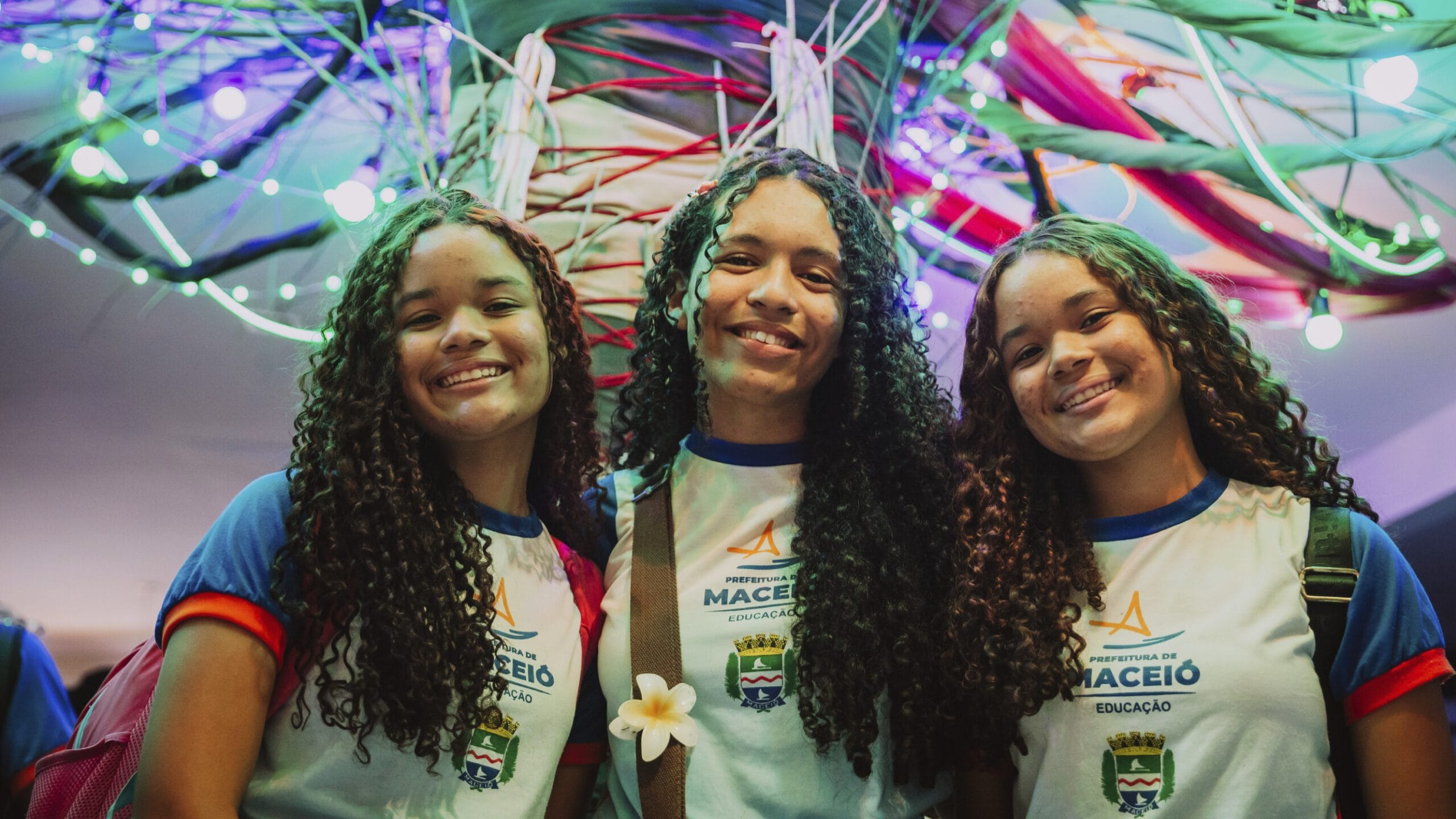
In October 2022, the festival's first initiative brought cinema into the Dom Otávio Barbosa de Aguiar State School through PLUMA - Mobile Filmmaking Workshop. Taught the fundamentals of narrative, screenwriting, production, shooting, and editing, the students conceived and starred in the festival bumpers featured across all event activities.
Between November 3rd and 8th, the festival hosted a mobile showcase across several municipal and state public schools in the city's outskirts, screening children's and youth programs curated for the event. The festival also landed in Vergel—another peripheral neighborhood located on the opposite side of the city from Benedito Bentes—to screen Gabriel Martins's Mars One (2022), and in Jacintinho, a working-class neighborhood closer to central Maceió, to present Vladimir Seixas's Rolê - Stories of the Rolezinhos (2021).
At the next stops, the festival held the Revoada de Uirapurus acting workshop led by Luciano Pedro Jr., and the Sobre Voar directing workshop with Nivaldo Vasconcelos.
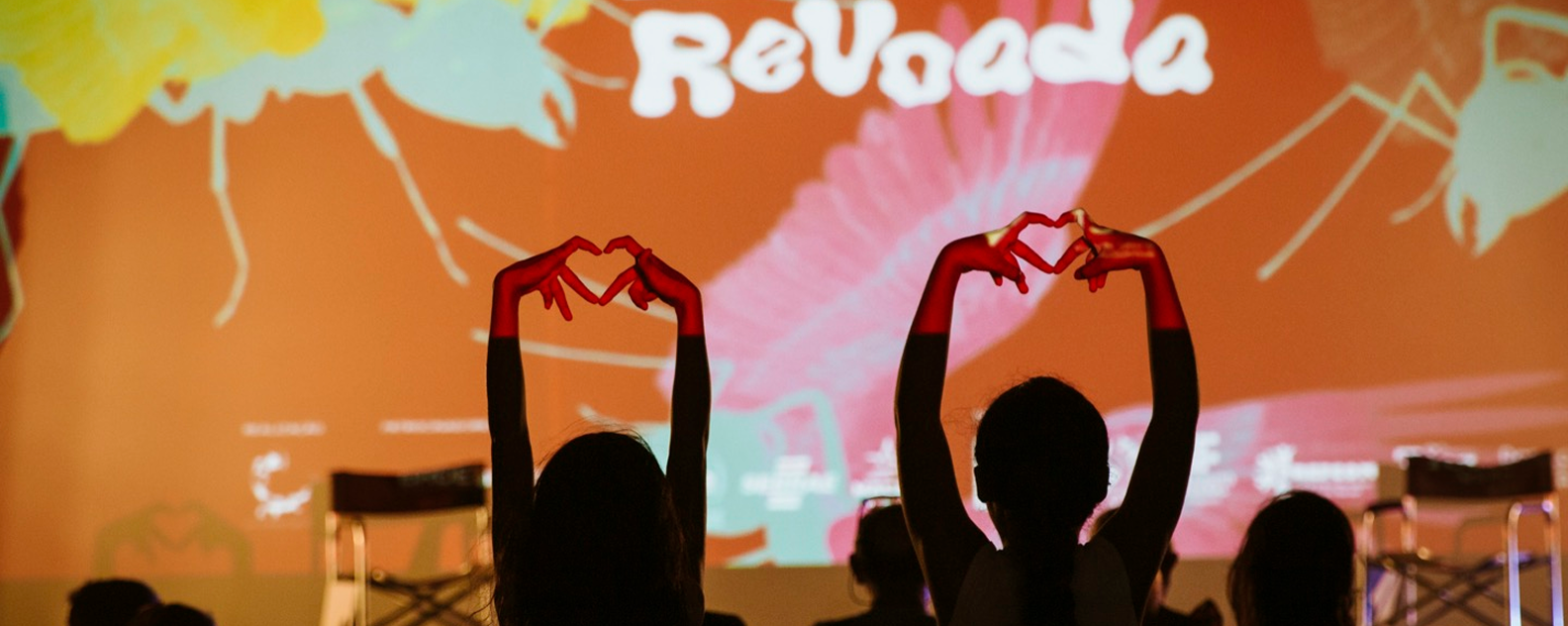
Conceiving cinema as a portal, this first edition was a bold step taken onto the streets and into places cinema had not yet reached. In a genuine effort to form flocks, Revoada distributed custom bird masks to the audience across all its activities. Our collective goals took flight from an imagination unique to the spectator of Brazilian cinema, rooted in popular lore and in the films made by us and about us.
Alongside the festival's official showcase, a series of panel discussions was held, covering topics such as: "Producing Cinema: From the Margins to the Center and Vice Versa"; the masterclass "Characters in Conflict in Documentary Filmmaking" with Vladimir Seixas; "What Can the Outskirts Do for Cinema?"; and "Directing Dialogues." Much like the workshops, these panel discussions aimed to nurture the audience not just as spectators, but as active participants in the capital's film movement.
Finally, between November 21st and 27th, 2022, film screenings and musical performances brought Praça da Formiga in Benedito Bentes—locally known as "Biu"—to life for the culmination of this inaugural edition. The curation team selected 11 short films and 6 feature films, presenting the public with some of the most inventive and compelling works in contemporary Brazilian cinema at the time. In the words of Lucas Litrento, one of the festival’s curators and a neighborhood resident: "The landing of Revoada in Biu was no coincidence. This dialogue between the neighborhood’s distinct character and needs, paired with the novelty and magic of cinema, establishes Praça da Formiga as a promising hub. The community fully embraced it."
As the curatorial statement noted: "Stepping outside their comfort zone—the dark box of the movie theater—these films will be projected amidst the vibrant colors of public squares and schools, punctuated by street noise and open to improvisation."
Revoada with the schools: Special edition
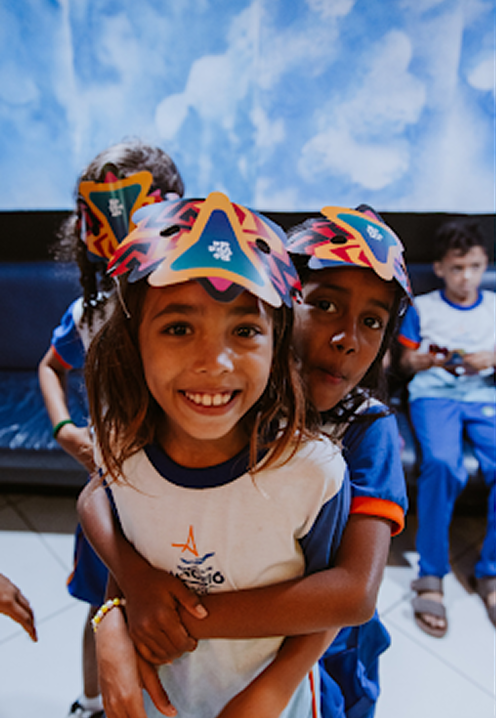
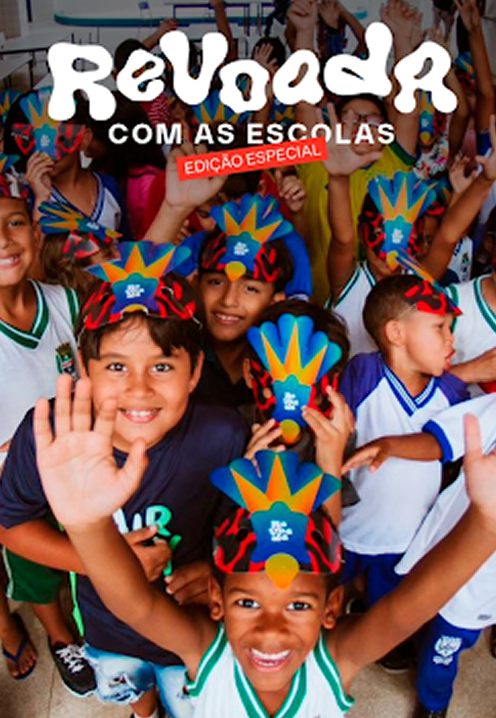
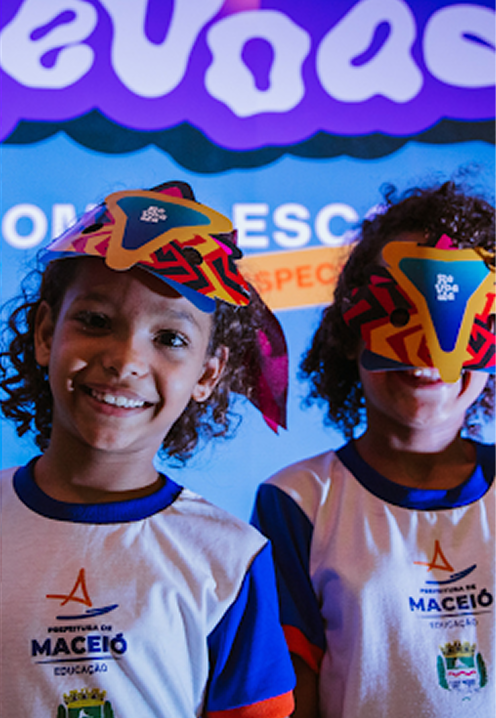
The Revoada com as Escolas Special Edition was conceived to land at the heart of audience development: the school environment. Dedicated to children and young audiences, the project hosted a week of screenings at Cine Arte Pajuçara—the city's only art-house cinema—providing mediated, high-quality access to national cinema. This special edition is a direct outgrowth of the successful Mobile Showcase from the festival's first edition, which brought cinema sessions to six schools in Maceió's peripheral neighborhoods. The overwhelmingly positive resonance of that experience among students and teachers highlighted the lack—and urgency—of regular cultural initiatives that stimulate critical and creative thinking in young audiences.
The first initiative of Revoada com as Escolas was the Introduction to Cinematic Language Workshop. Combining theory and hands-on practice, the workshop introduced young participants to the primary tools and technical terminology of filmmaking, spanning narrative, screenwriting, shooting, and editing. Participants put their new skill set into practice by conceiving and producing the festival's introductory bumpers, which were screened before each session—allowing them to see their own work and performances up on the big screen.
Between July 15th and 19th, 2024, the festival hosted 12 sessions at Cine Arte Pajuçara, welcoming between 1,000 and 1,800 students from municipal and state public schools across Maceió. The curation team selected Brazilian short and feature films, with a special emphasis on works created by women, Black filmmakers, LGBTQIAPN+ artists, and directors from peripheral contexts and traditional communities. The programming sought to balance films that foster critical consciousness with those overflowing with playfulness and fantasy, embracing cinema as a powerful tool for engaging the imagination.
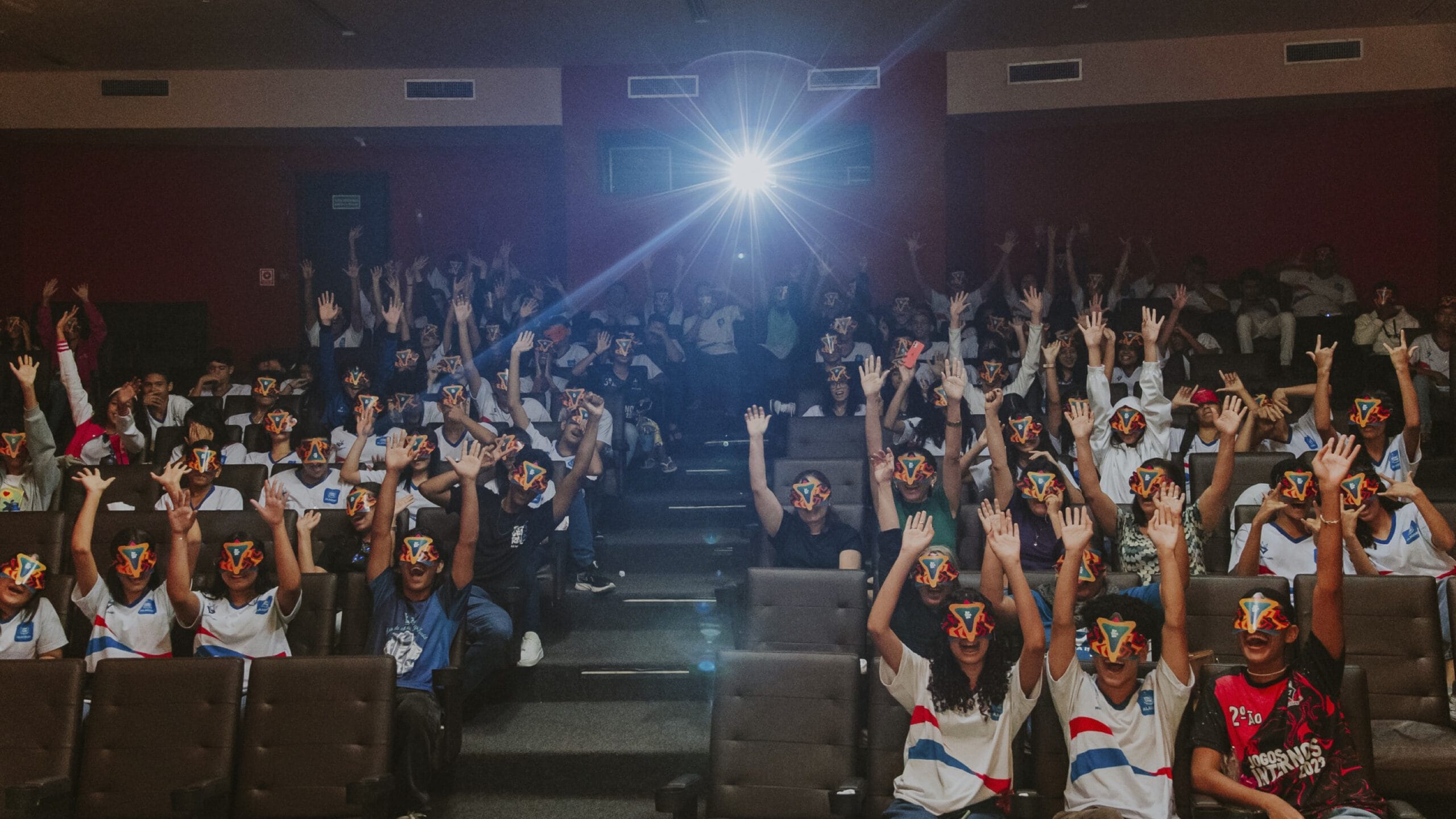
Each screening was followed by discussions and educational activities designed around the themes of the films. The goal was to transform the cinematic experience into an active learning tool, encouraging the application of reflections raised during the sessions within classrooms—across subjects such as literature, history, and sociology—and fostering more empathetic and diverse dialogues.
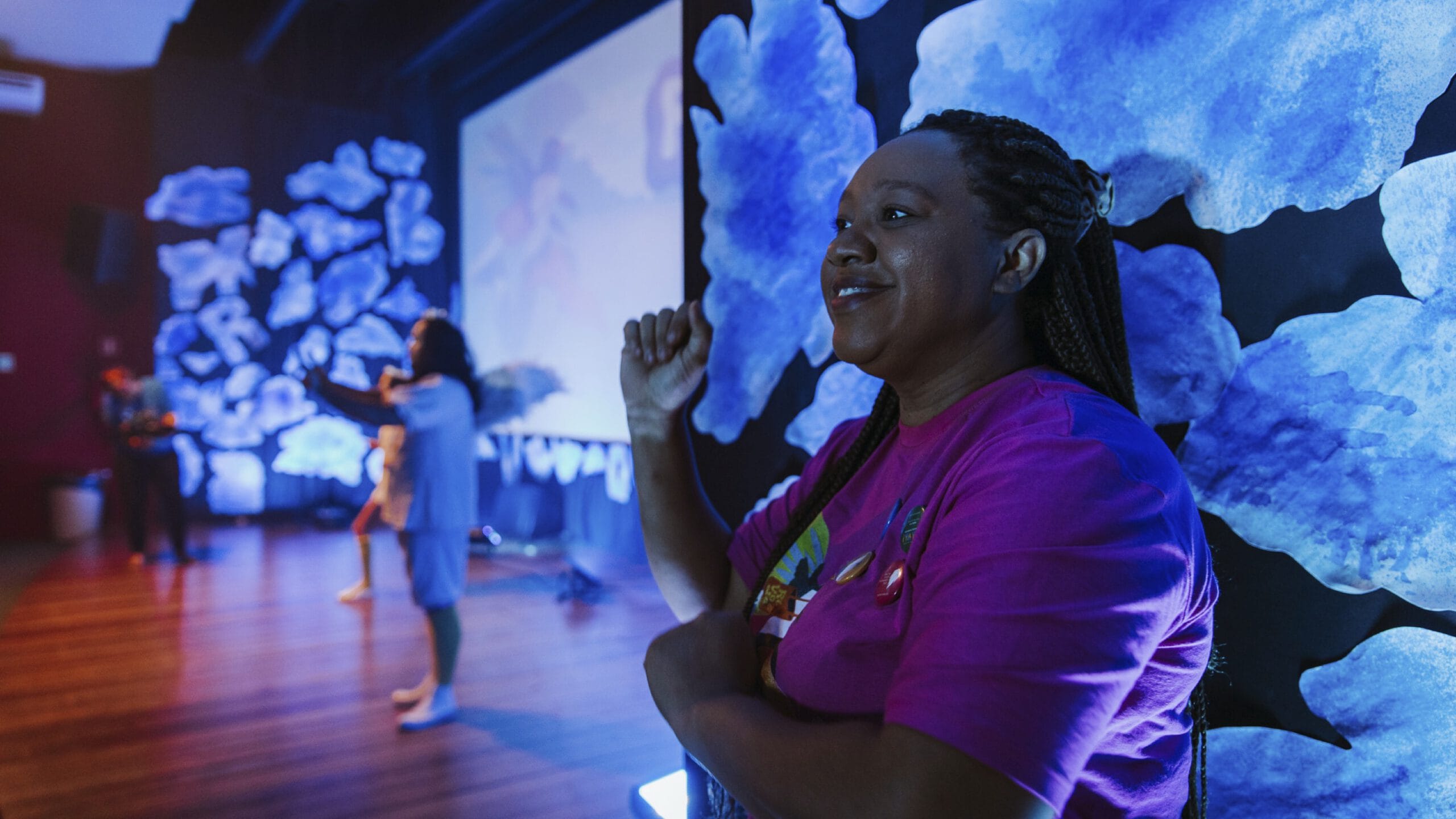
With inclusion as a foundational pillar, Revoada Com As Escolas structured a series of accessibility initiatives. Audio description and closed captioning (SDH) were provided for the screenings, alongside the hiring of Libras (Brazilian Sign Language) interpreters to assist across every day of the festival and workshop. The venue was fully adapted to accommodate individuals with disabilities and reduced mobility, guaranteeing barrier-free physical access and reserved seating.
Revoada's landing at Cine Arte Pajuçara, with its sole focus on schools, reinforced the festival’s commitment to upholding the cultural rights of Maceió’s youth, placing the city on the map of contemporary cinema through its most essential foundations: education and the shaping of new perspectives.
As stated in the curatorial statement by Roseanne Monteiro, Marina Bonifácio, Lucas Litrento, and Janderson Felipe: "Cinema is meant to be seen larger than life, and as human beings, we too need to see ourselves larger than life to believe in the possibilities and beauty of everyday existence. For us, it feels almost like daydreaming through the images produced and projected by Brazil's outskirts."
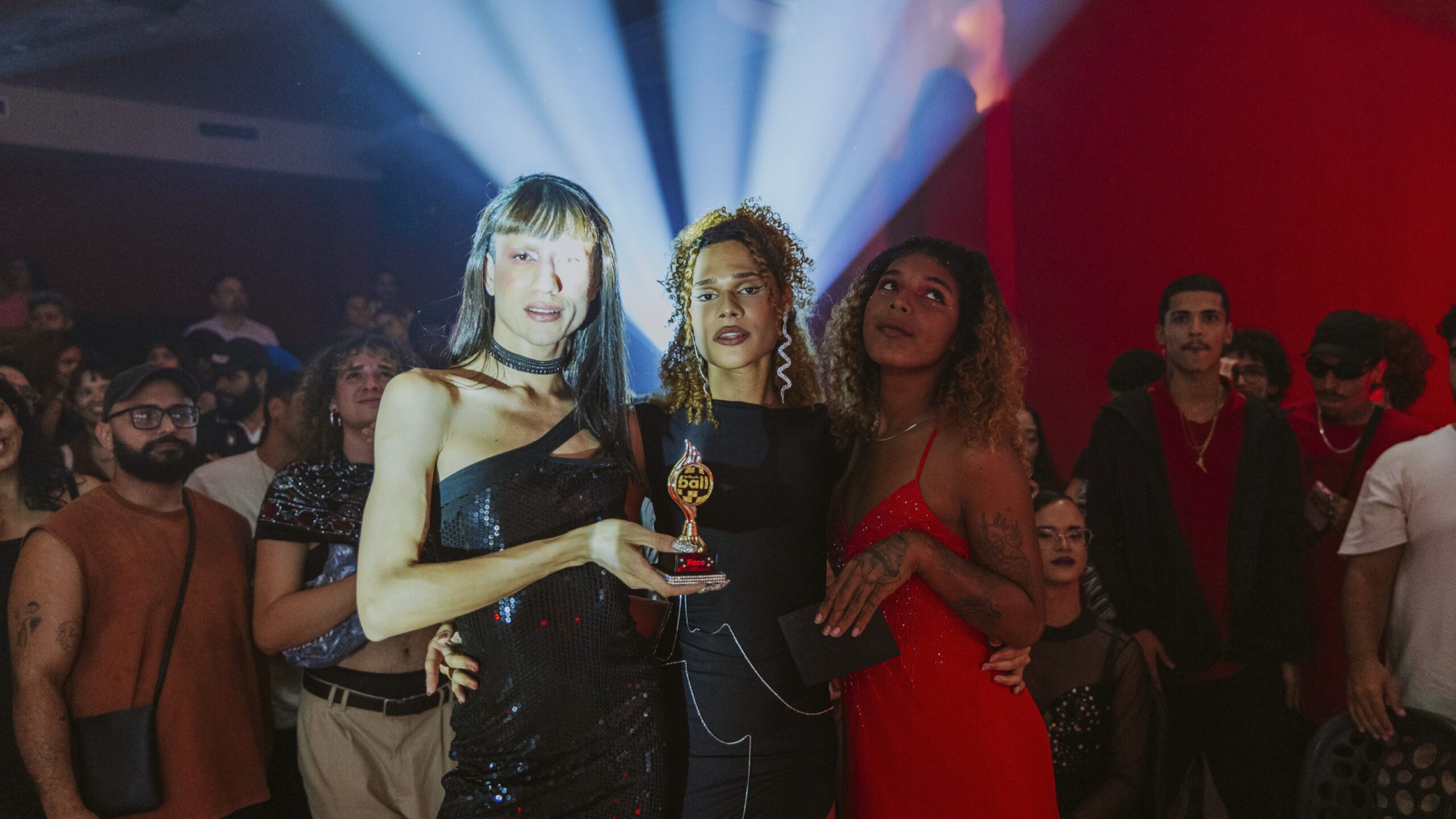
Revoada remained connected to the most prominent contemporary Brazilian productions, featuring two feature-length films released in 2024: Salão de Baile (Ballroom), directed by Juru and Vitã, and Leonardo Mouramateus’s Greice, screened on July 18th and 19th, always with free admission.
Following the screening of Salão de Baile, the festival launched a partnership that became a permanent part of its lineup: the first edition of the Revoada Ball took place on July 18th. It was a resounding success—one that would return in the festival's 3rd edition and promises to bring even more of this culture, which originated in global outskirts and continues to energize the entire country, including here in Alagoas.
3º Revoada - Maceió International Film Festival
The 3rd Revoada – Maceió International Film Festival took place from September 30th to October 4th, 2025, marking the festival's transition into the international circuit and its consolidation as a competitive event on the Brazilian film calendar. With over 1,000 submissions from across the country and the inclusion of international feature films from Hong Kong and the Dominican Republic alongside national feature films—complete with the presence of directors who experienced both the city and the festival—this edition represented a major qualitative leap in placing Maceió on the map of global contemporary cinema.
Driven by the desire to showcase productions that typically screen at overseas festivals or within the Rio/São Paulo axis without ever reaching commercial distribution, our 3rd edition presented international works for the first time, featuring the presence of their filmmakers for Q&A sessions and interaction with the local audience from Alagoas. In doing so, we expanded the conversation on contemporary cinema to a global perspective, fostering dialogues between international and Brazilian films—and, above all, between local works from Alagoas and imagery from other parts of the world, discovering points of contact and contrasts that spark new readings for both.
We maintained our commitment to the outskirts and to youth. The Com As Escolas Showcase remained an integral part of our journey. Over three days of the festival, we once again brought young people from across the city into the movie theater.
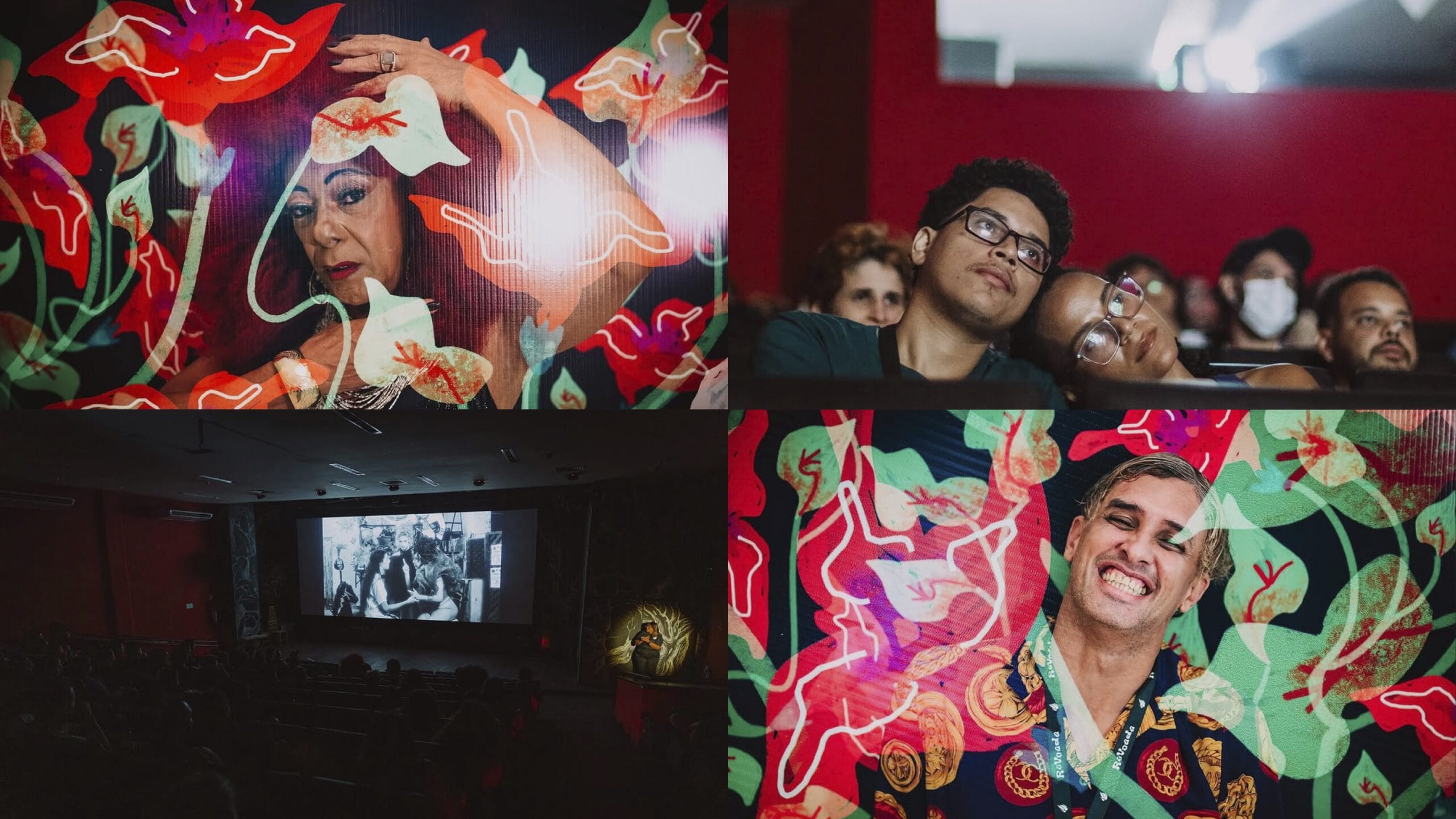
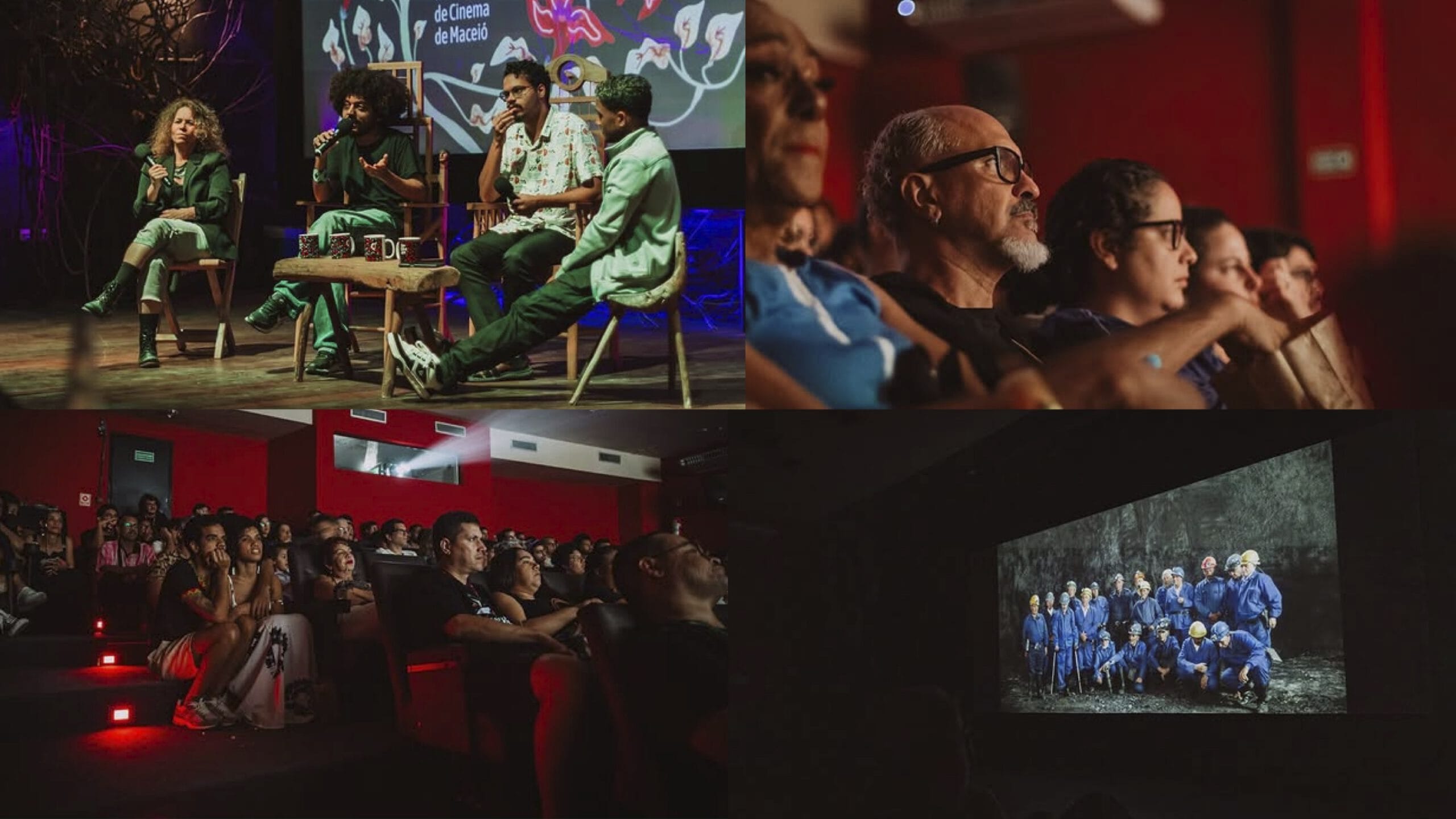
In this latest edition, we introduced a competitive section for short and feature films, broadening our reach and prestige. The curation team—composed of a diverse lineup—selected works from peripheral, LGBTQIAPN+, Black, and Indigenous contexts. Screenings ranged from art-house cinema for film enthusiasts to family-friendly programming, showcasing the best of diversity from the team to the Brazilian and international titles. The opening film was Guto Parente's acclaimed Morte e Vida Madalena, embodying the bold vision of the programming. The opening screening, as well as all subsequent days, saw full turnout, packing Cine Arte Pajuçara throughout the entire event.
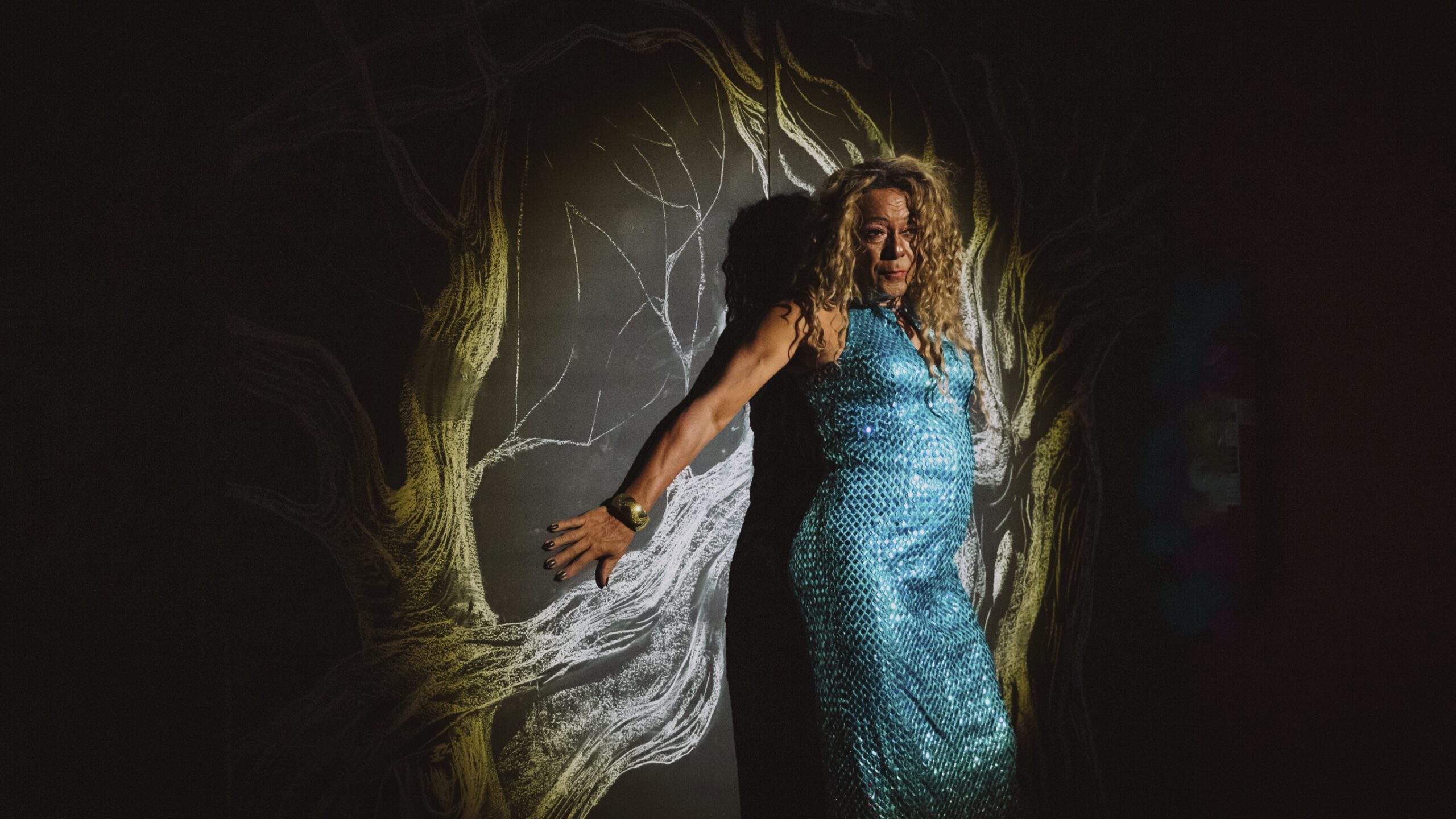
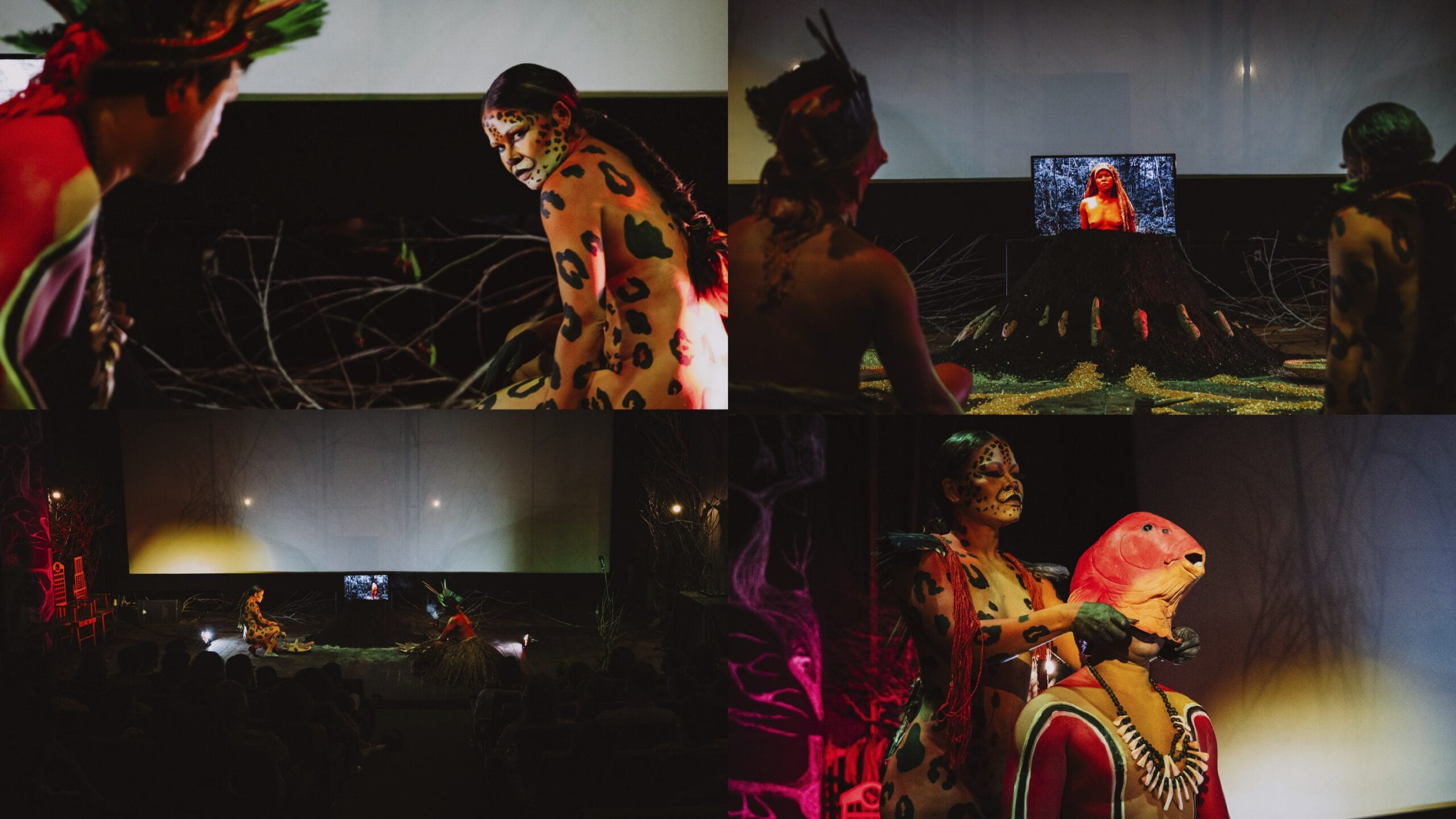
Prior to the first screening, the festival opened with the performance TRANSMUTAÇÃO by Ziel Karapotó and Olinda Tupinambá, turning the entire Cine Arte Pajuçara auditorium into a captivating spectacle.
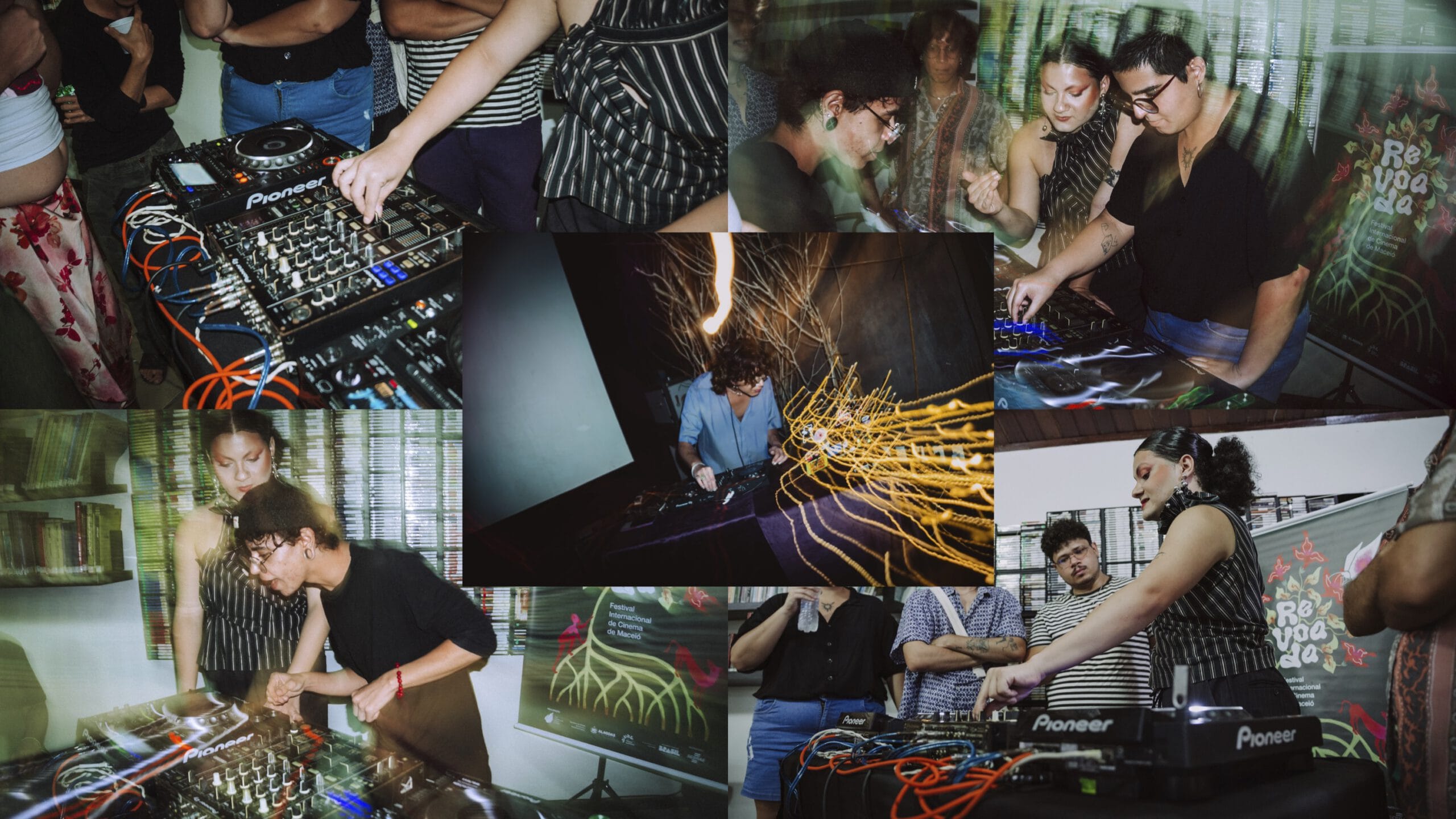
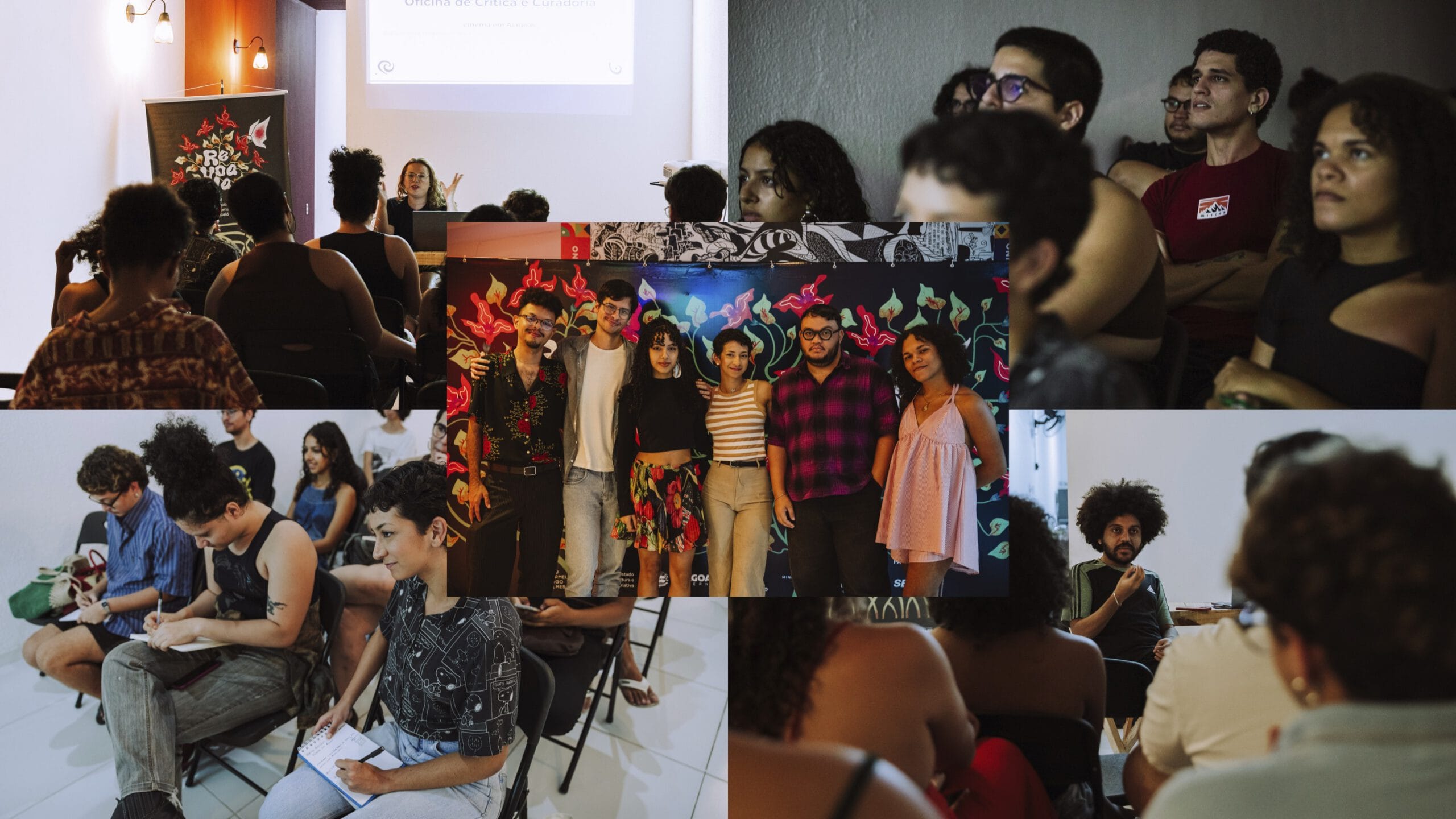
Educational and training activities expanded with workshops in DJing, film criticism, and editing, integrating organically into the programming. Participants in the DJ workshop conducted sound experimentation prior to each screening, creating a unique atmosphere of anticipation and audience engagement.
In the 3rd edition, the workshops aimed to build the festival through other creative languages—here, music, through the Tornar-se Criatura workshop on mixing, sound research, and the dance floor, led by DJ and performer Leviathan. This initiative put workshop participants to test and experiment with soundscapes before the start of each screening, innovating directly from within the cinema space.
Beyond audience development, another objective was to cultivate new aspiring film critics through the integration of the Youth Jury into the festival. The jury was selected from our Film Criticism and Curation Workshop, led by Marina Bonifácio, Ulisses Arthur, Lucas Litrento, and Maria Bogado, grounded in the belief that a diversity of perspectives—especially coming from young people—can foster fresh insights that will shape the local film discourse in the years to come.
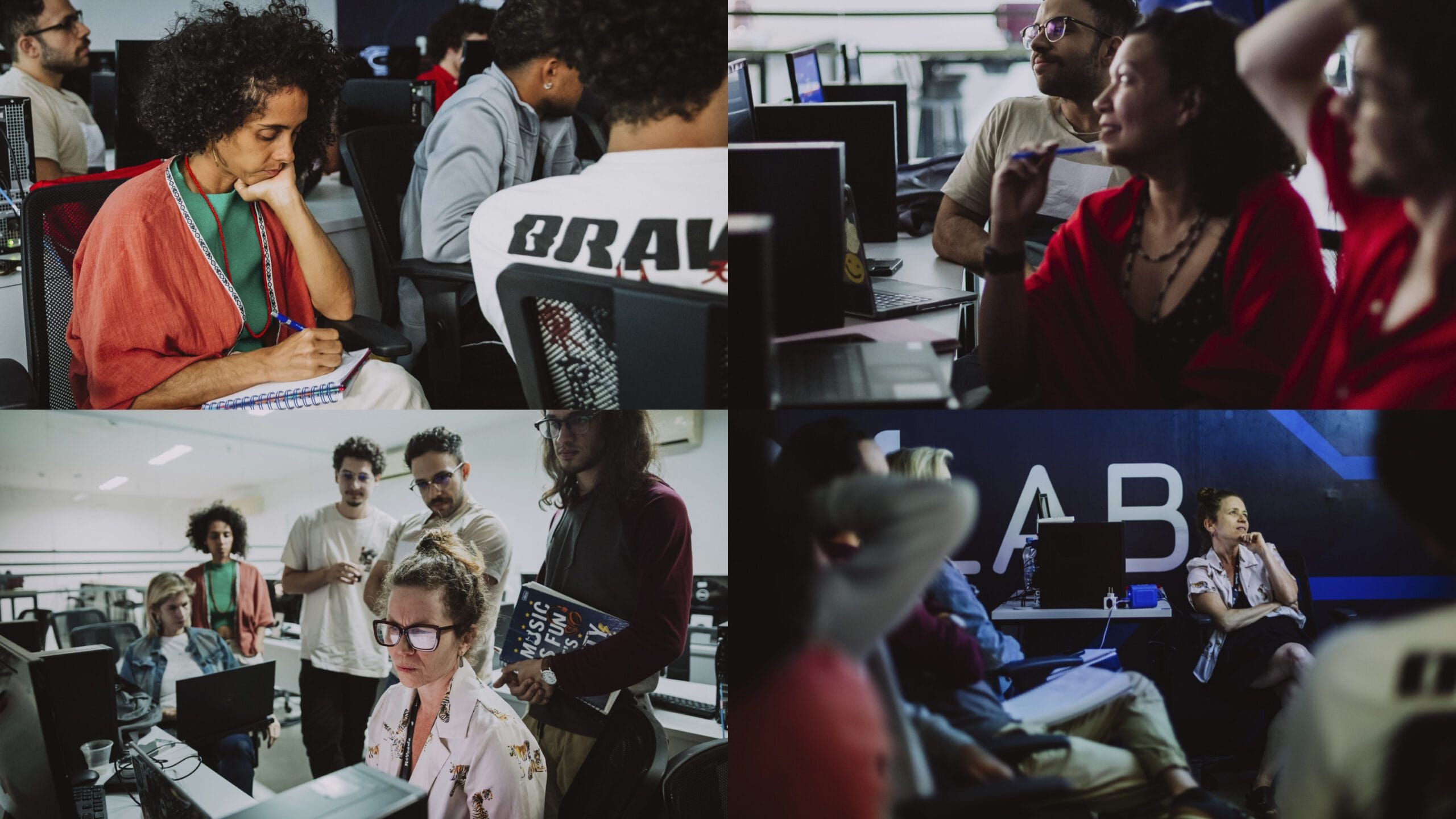
We also hosted the Film Editing Workshop with Karen Akerman, who was also a member of the Official Jury. This reinforced our ongoing commitment to local production by bringing a workshop led by one of the country's most renowned film editors.
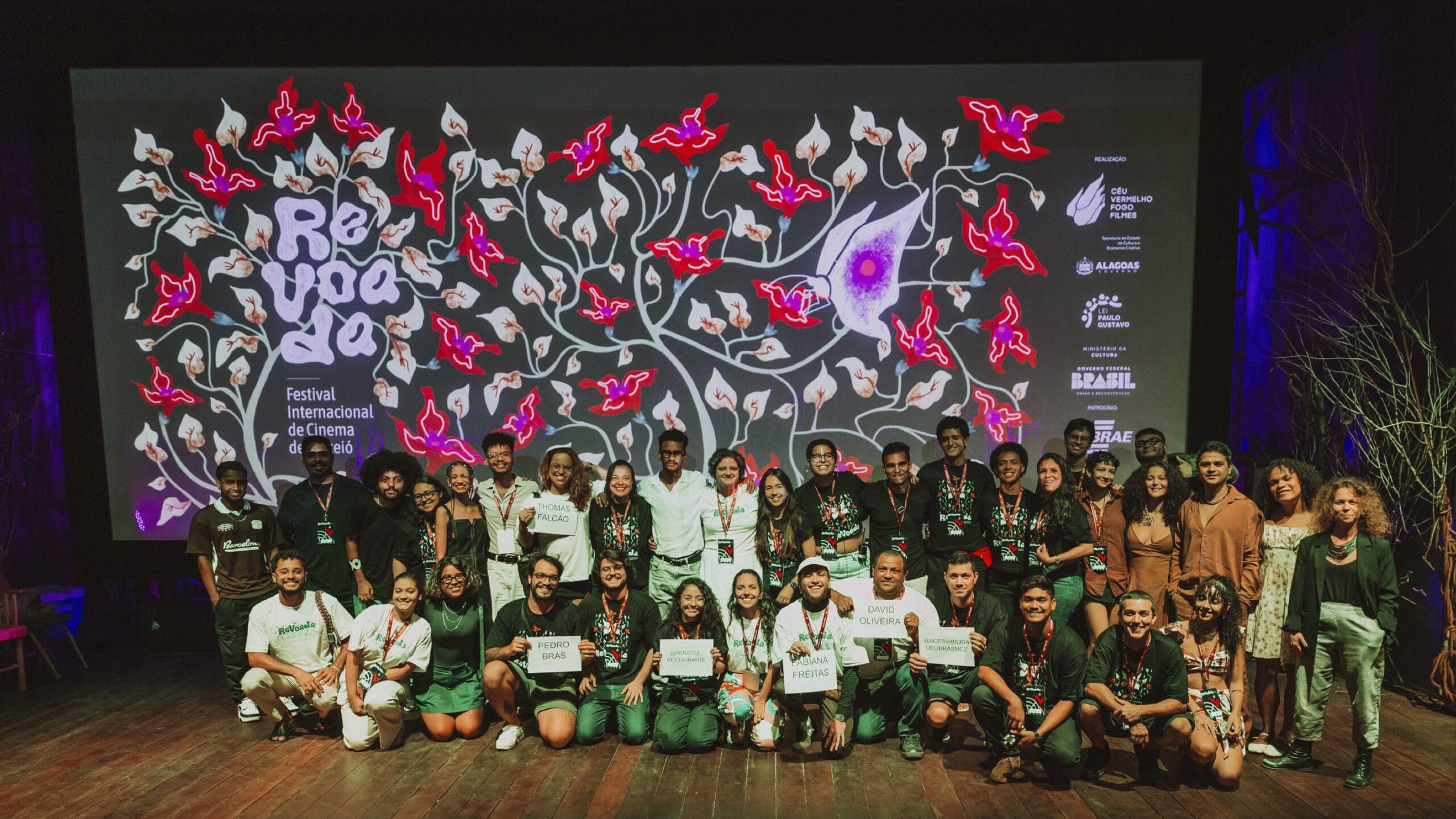
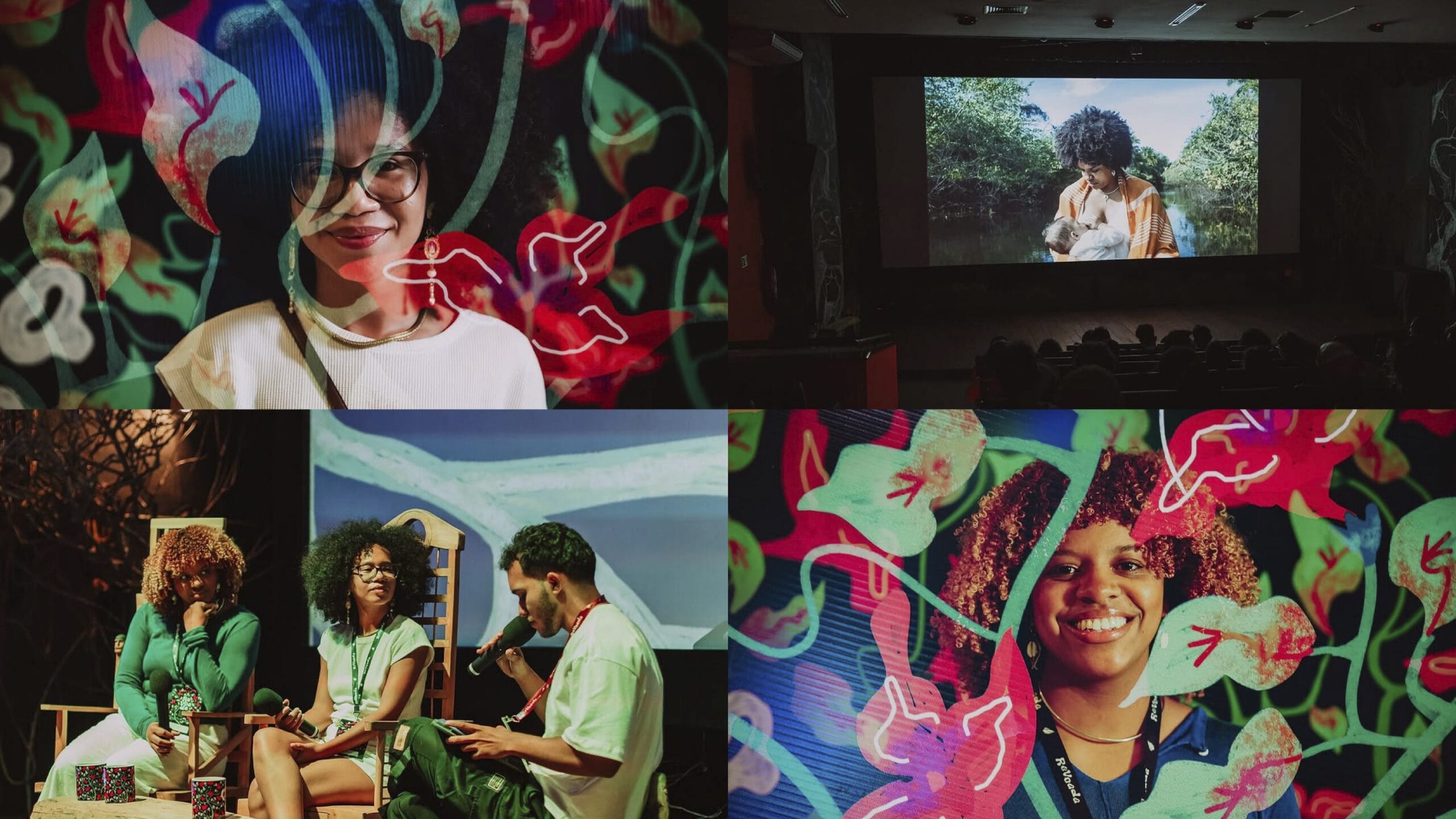
Every day saw packed houses at Cine Arte Pajuçara, with the audience embracing the festival's bold vision. The selected works pushed the boundaries of cinematic language, provoking reflection and delight. The awards ceremony in both short and feature film categories capped off this new era for Revoada, cementing its place on the national stage.
On the first day of the competitive showcase, we screened the short films Praia das Artistas (RN) by Rosy Nascimento and Fenda (CE) by Lis Paim, alongside the feature film Cais (BA) by Safira Moreira. Following every screening—from the opening night through the competitive sections—we held Q&A sessions moderated by this edition's curation team, deepening the audience's engagement with our programming vision.
On the second day of the competitive showcase, we screened the short films Mais Um Dia (AC) by Vinícius Silva and O Mapa Em Que Estão os Meus Pés (AL) by Luciano Pedro Jr. The feature film of the day was also our first international screening: Hong Kong's A Land With No Ceremony (Uma Casa Sem Cerimônia), directed by Yang Bichun and winner of the Best International Feature Award at DOC Coimbra.
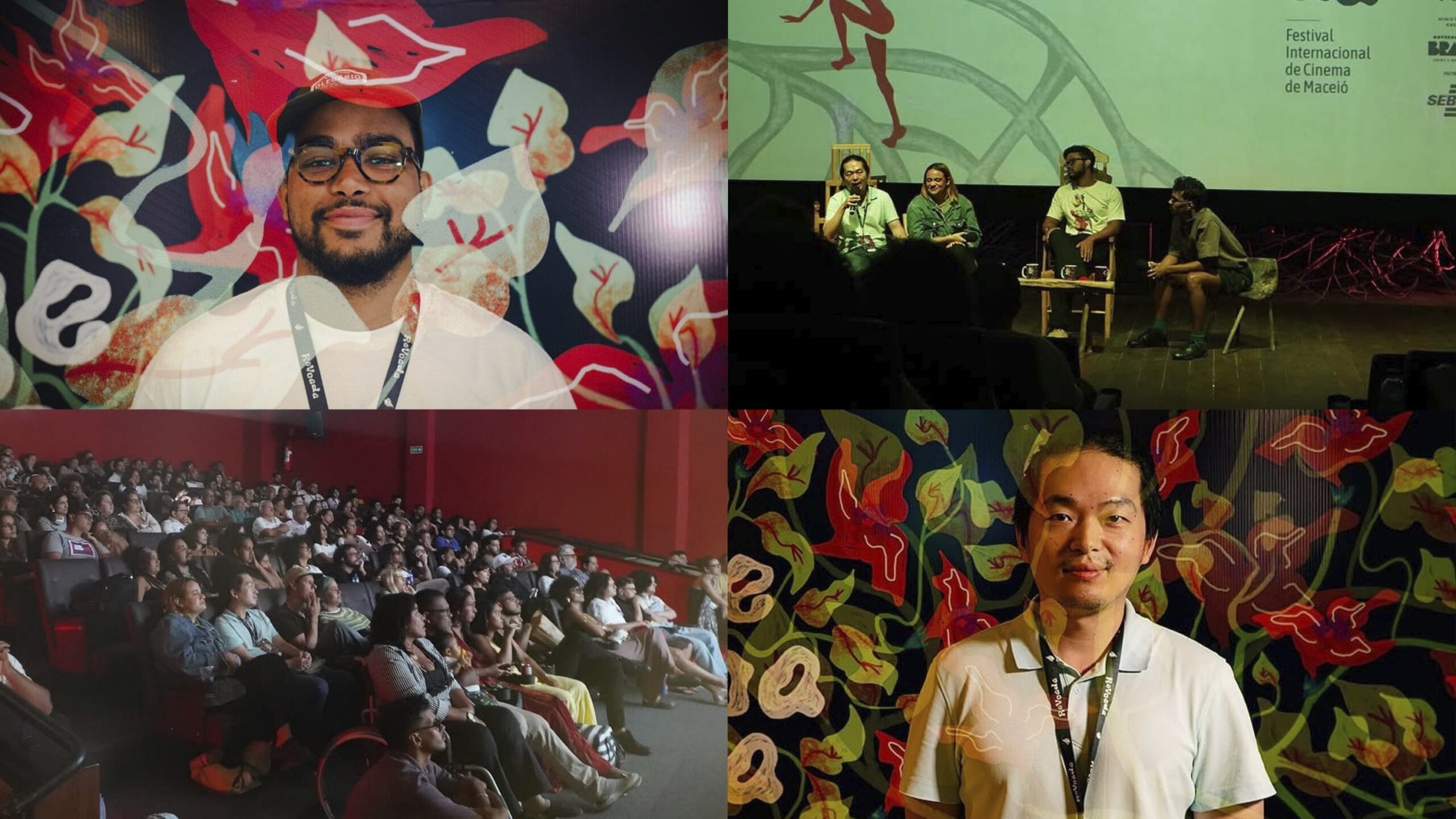
On the fourth day of the festival—the third day of the competitive showcase—we screened the short films Era Uma Vez Diversiones (PE) by Henrique Arruda and Sharlene Esse, and Mensagem de Sergipe (SE, SP) by Fábio Rogério, featuring director Sharlene Esse representing the former and actor Wesley Pereira de Castro representing the latter. This time, our second international feature film, La Bachata de Biónico, came from closer to home, landing in Maceió straight from the Dominican Republic. Directed by Yoel Morales, who was unable to attend in person, the screening was accompanied by a pre-recorded interview where he expressed his regrets for missing the event alongside his joy in participating in the festival.
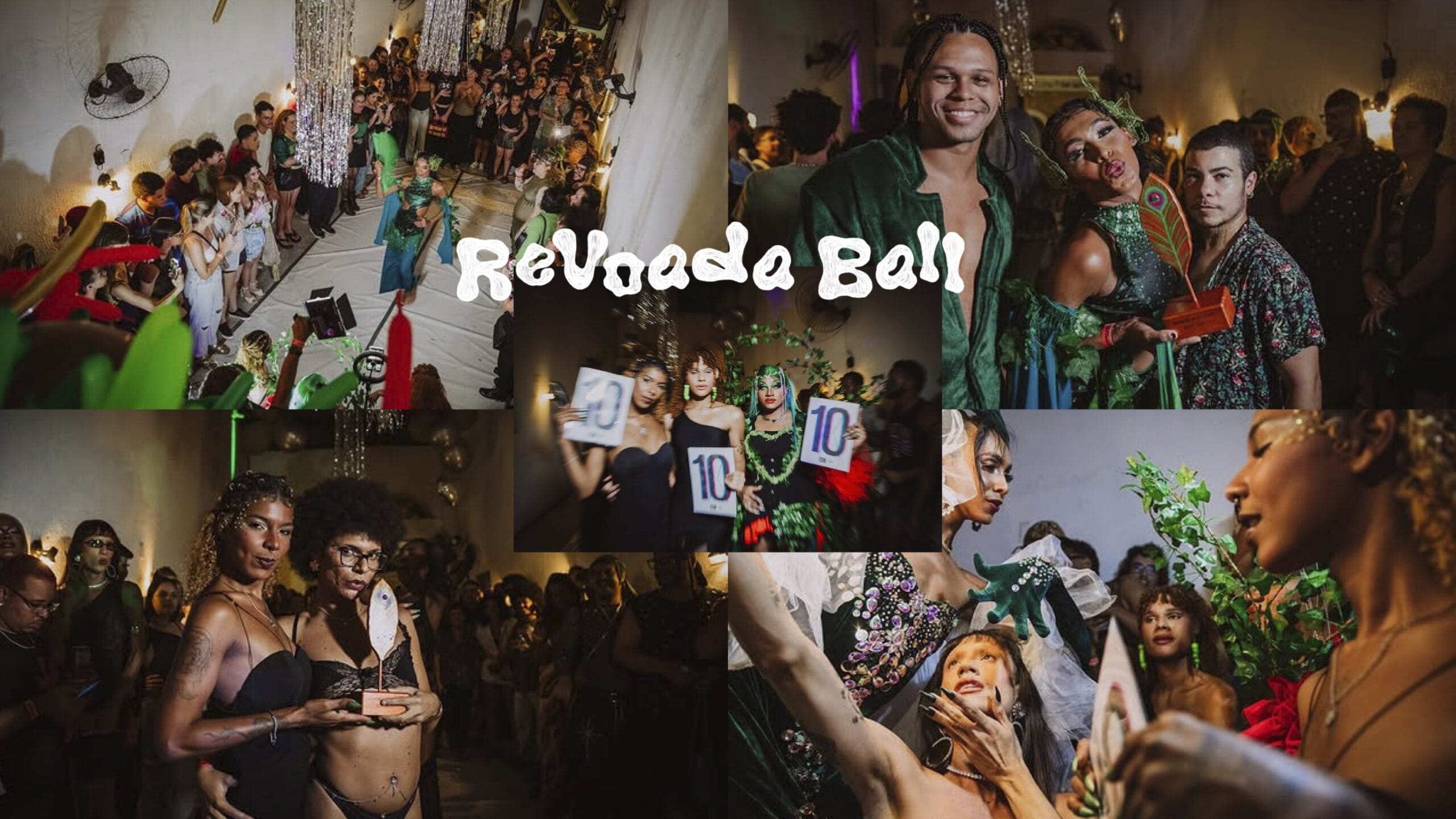
The festival doubled down on its initiative and brought back the Revoada Ball, which was once again a resounding success, reinforcing its commitment to the state's Ballroom scene and introducing the culture to new audiences—both locals and visitors alike.
Later that same day, the festival hosted a true celebration of cinema with a closing screening that embodied everything Revoada stands for. The session featured three short films: Morocco’s L’Mina (2025), and the Brazilian titles Enxofre(2024) and Ajude os Menor (2025)—the latter receiving a special spotlight as a highly anticipated local film from Alagoas that drew a packed house.
On our final competition day, we screened the short films Akaîuti (RN) by JP Mello, Kaline Cassiano, and Sylara Silvério, and Como Nasce Um Rio (BA) by Luma Flôres. Our closing feature film was the Brazilian feature A Natureza das Coisas Invisíveis (DF) by Rafaela Camelo, which featured the presence of not only the director, but also actress Aline Maria Marta, a prominent figure in Alagoas acting.
Later that same day, the festival hosted a true celebration of cinema with a closing screening that embodied everything Revoada stands for. The session featured three short films: Morocco’s L’Mina (2025), and the Brazilian titles Enxofre(2024) and Ajude os Menor (2025)—the latter receiving a special spotlight as a highly anticipated local film from Alagoas that drew a packed house.
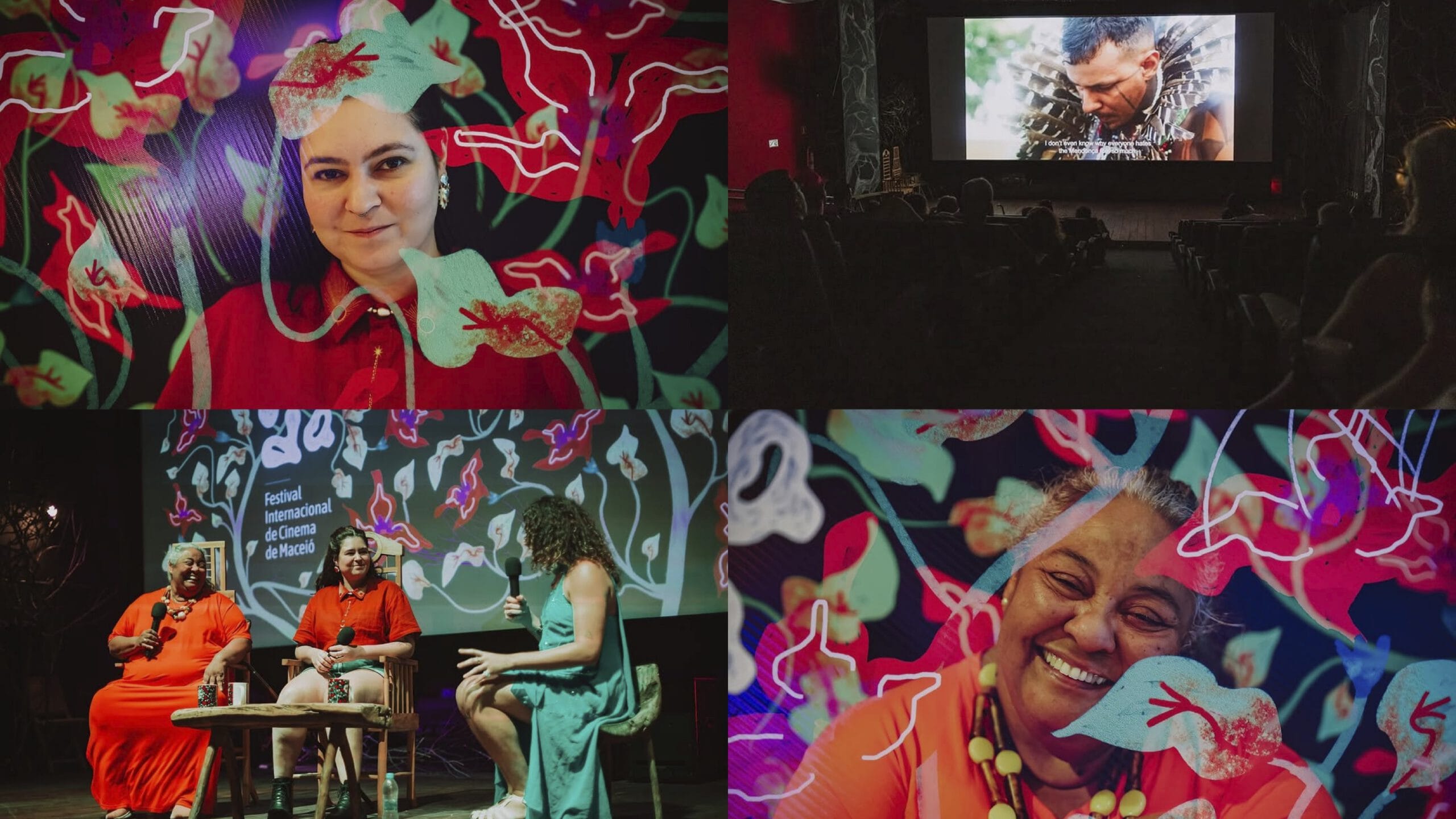
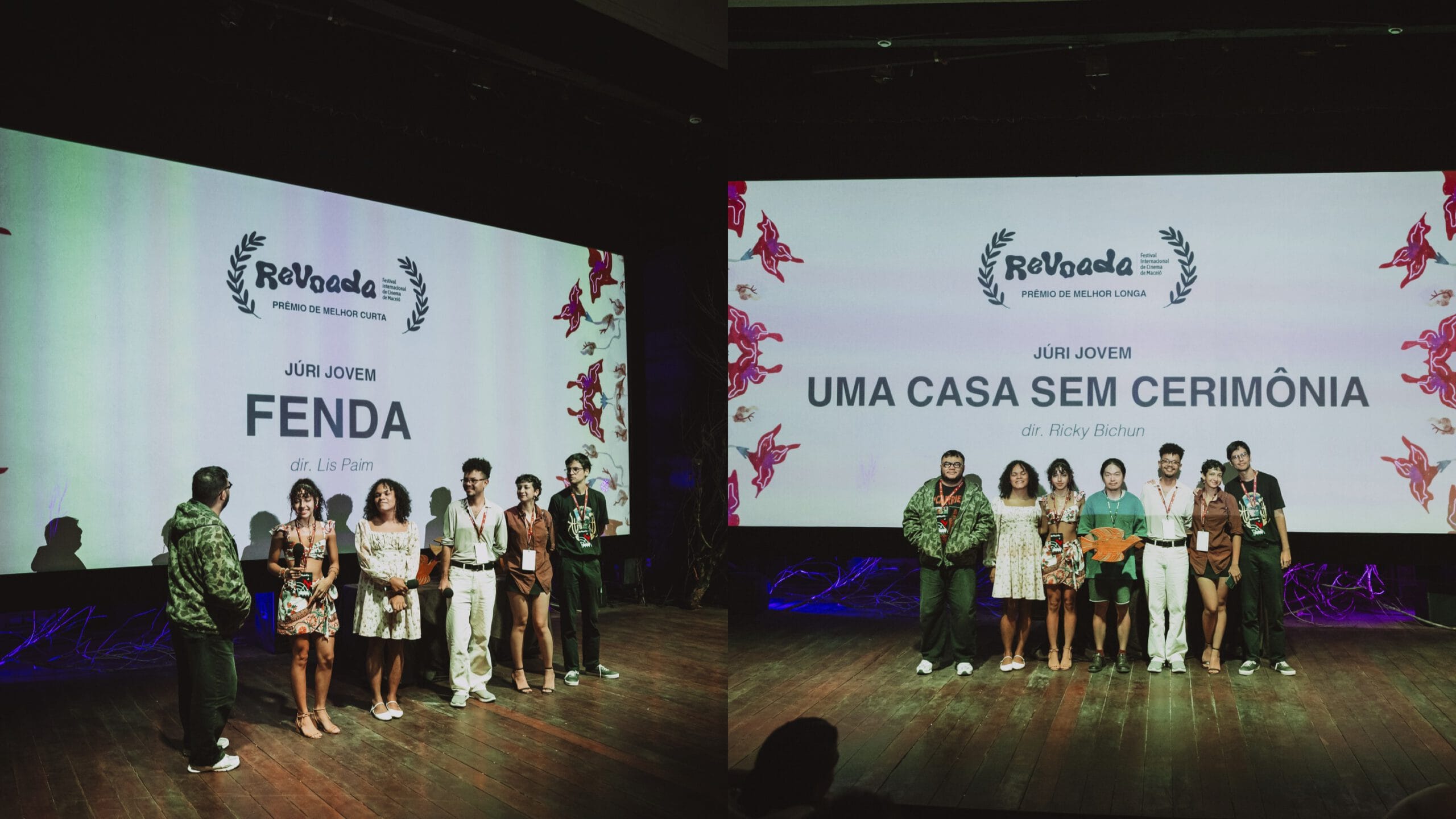
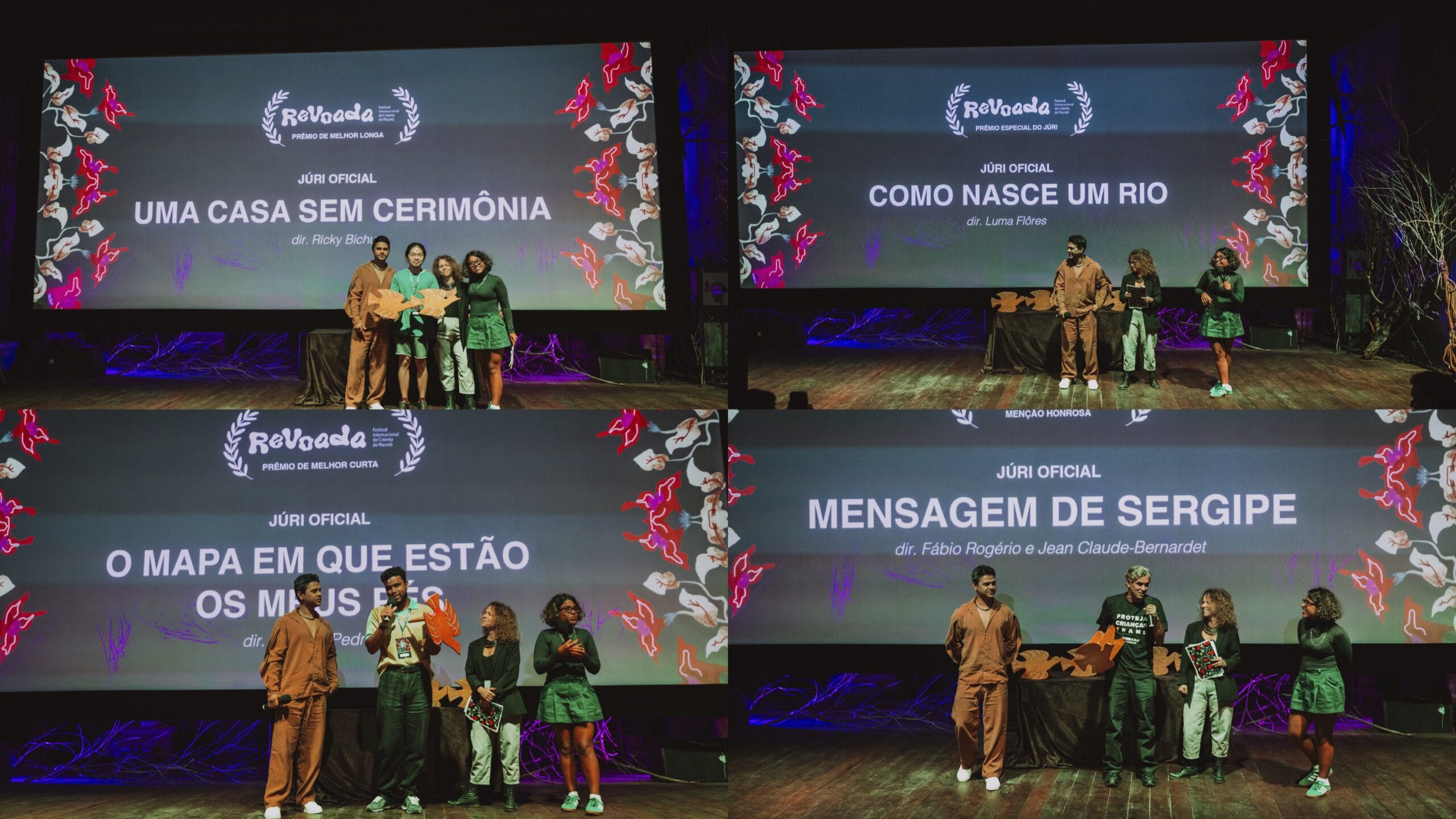
Furthermore, the awards ceremony turned into a true celebration, featuring a performance by Sharlene Esse and the joy of the honored filmmakers, who moved the audience to tears as they accepted their awards. The 3rd REVOADA came to a close on a night that celebrated cinema as an art form—and as a right that belongs to the people of Alagoas as well.
The festival's internationalization brought not only films from various countries, but also enabled enriching cultural exchanges. The curation team's diversity was directly reflected in the programming, which balanced local, national, and international productions in a pluralistic cinematic dialogue.
In this latest edition, we brought together everything built in previous years, honoring the foundational vision of the festival—a commitment that will guide every edition to come. From the outskirts to the movie theaters, REVOADA aims to elevate the people of Alagoas through the very best of cinema produced in Brazil and across the globe.